External Wall Insulation and Cladding Cost: Is Combining Them Worth It?
External wall insulation and cladding play crucial roles in enhancing the performance, aesthetics, and durability of buildings. These components not only improve energy efficiency but also provide protection against external elements, enhancing the overall lifespan of the structure.
External wall insulation helps reduce heat loss, thereby lowering energy consumption for heating or cooling the building. Cladding, on the other hand, protects the exterior of the building from moisture, UV rays, and other environmental factors, preventing damage and extending the lifespan of the structure.
By combining external wall insulation and cladding, building owners can achieve a seamless and integrated system that offers enhanced thermal performance, weather resistance, and aesthetic appeal. This combination not only improves the overall efficiency of the building but also reduces maintenance costs in the long run.
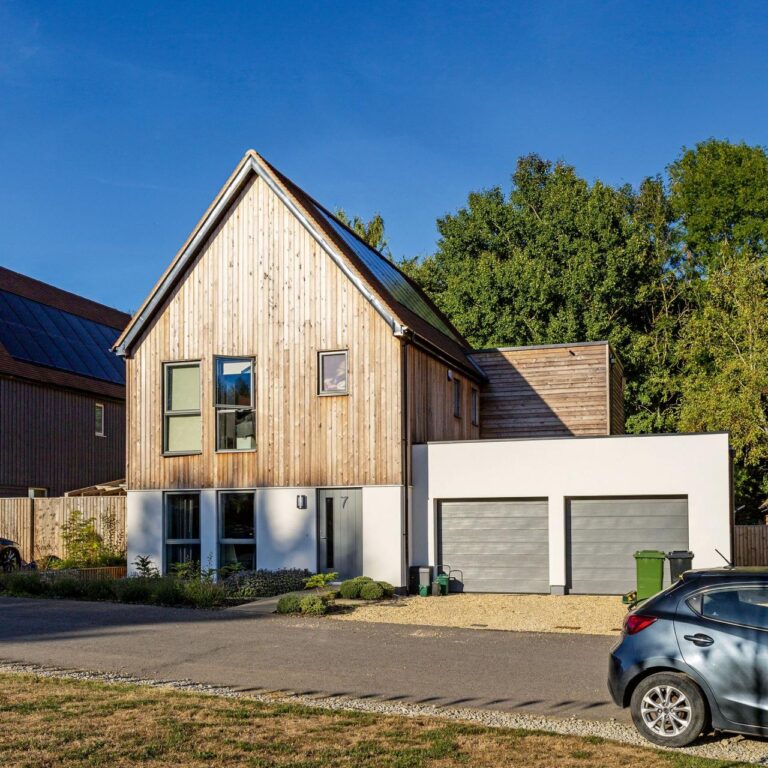
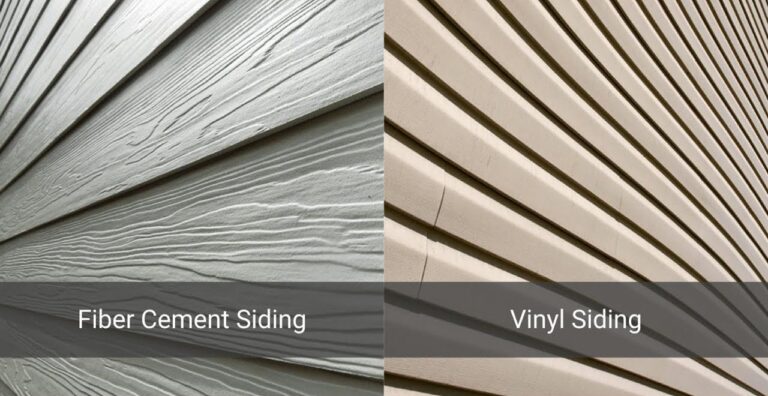
There are various materials available for external wall insulation, including expanded polystyrene (EPS), mineral wool, polyurethane foam, and phenolic foam. When it comes to cladding, options such as timber, vinyl, fiber cement, metal, and brick slips are commonly used. Choosing the right combination of materials is crucial to achieving the desired performance and visual effect.
Individually, external wall insulation and cladding can incur significant costs. However, when combined, there may be potential cost savings due to the synergistic effects of the integrated system. While the initial investment for the combined solution may be higher, the long-term benefits in terms of energy savings, maintenance, and durability often outweigh the upfront expenses.
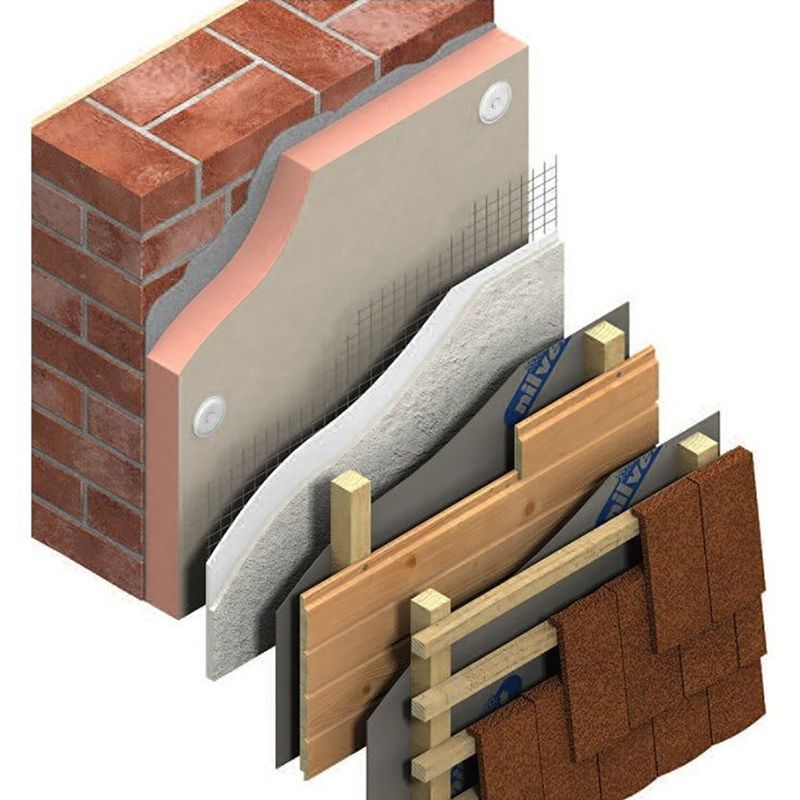
When it comes to installing external wall insulation and cladding, there are specific processes and considerations that need to be taken into account to ensure a successful outcome.

External wall insulation plays a crucial role in enhancing the energy efficiency of buildings by reducing heat loss and improving thermal comfort. When combined with cladding, these benefits can be further optimized to create a more sustainable and insulated structure.
External wall insulation helps in creating a thermal barrier that prevents heat loss during colder months and keeps the interior cool in warmer months. By reducing the need for constant heating or cooling, it significantly lowers energy consumption and, consequently, energy bills for the occupants.
Cladding serves as a protective layer for the building envelope, shielding it from external elements such as rain, wind, and UV radiation. While cladding may not offer the same level of thermal resistance as insulation materials, it can still contribute to the overall insulation performance of the structure.
When external wall insulation and cladding are combined, the synergistic effect can lead to a significant improvement in energy efficiency and insulation performance. The two systems work hand in hand to create a more thermally efficient building envelope that is both functional and visually appealing.
Installing external wall insulation or cladding alone can have significant cost implications, but combining both systems may offer a more cost-effective solution in the long run. Let’s delve into the cost analysis and return on investment of these options.
External wall insulation can vary in cost depending on factors such as the size of the property, the type of insulation material used, and the complexity of the installation process. On average, the cost of external wall insulation can range from $80 to $120 per square meter.
This cost includes materials, labor, and any additional work required to prepare the walls for insulation.
Cladding installation costs can also vary based on the material chosen, the size of the property, and the labor involved. The cost of cladding alone typically ranges from $40 to $80 per square meter. This cost covers materials, labor, and any additional work needed to install the cladding effectively.
When both external wall insulation and cladding are combined, the total cost of installation is higher compared to installing either system alone. However, the combined cost can provide better overall insulation and aesthetic benefits. The total cost of combining external wall insulation and cladding can range from $120 to $180 per square meter, depending on the materials used and the complexity of the installation.
While the initial cost of combining external wall insulation and cladding may be higher, the potential return on investment can be significant. By improving the energy efficiency of the property, homeowners can reduce heating and cooling costs over time. Additionally, the enhanced visual appeal of the property can potentially increase its value in the real estate market.
Overall, the return on investment of combining external wall insulation and cladding is not only monetary but also in terms of comfort and sustainability.
What is the purpose of external wall insulation and cladding?
External wall insulation provides thermal protection, while cladding offers aesthetic appeal and weather resistance. Combining them can enhance both functionalities.
What are the different types of materials available for external wall insulation and cladding?
Common materials include polystyrene, mineral wool, and fiberglass for insulation, and options like vinyl, wood, or metal for cladding.
How does combining external wall insulation and cladding enhance energy efficiency?
The synergy between insulation and cladding reduces heat loss, improves building envelope performance, and lowers energy consumption, leading to enhanced energy efficiency.
What is the typical return on investment when combining external wall insulation and cladding?
While ROI varies based on factors like materials used and installation costs, many projects report long-term energy savings that offset the initial investment.