Siding Product Comparison: A Comprehensive Guide
Siding products are materials used to cover the exterior walls of buildings to protect them from the elements and enhance their aesthetic appeal. Choosing the right siding is crucial for the durability and overall look of a structure.
There are several types of materials commonly used in siding products:
:max_bytes(150000):strip_icc()/SPR-types-of-siding-for-the-home-1824718-hero-fb7028906b4f47d986f0bb223baf496f.jpg)
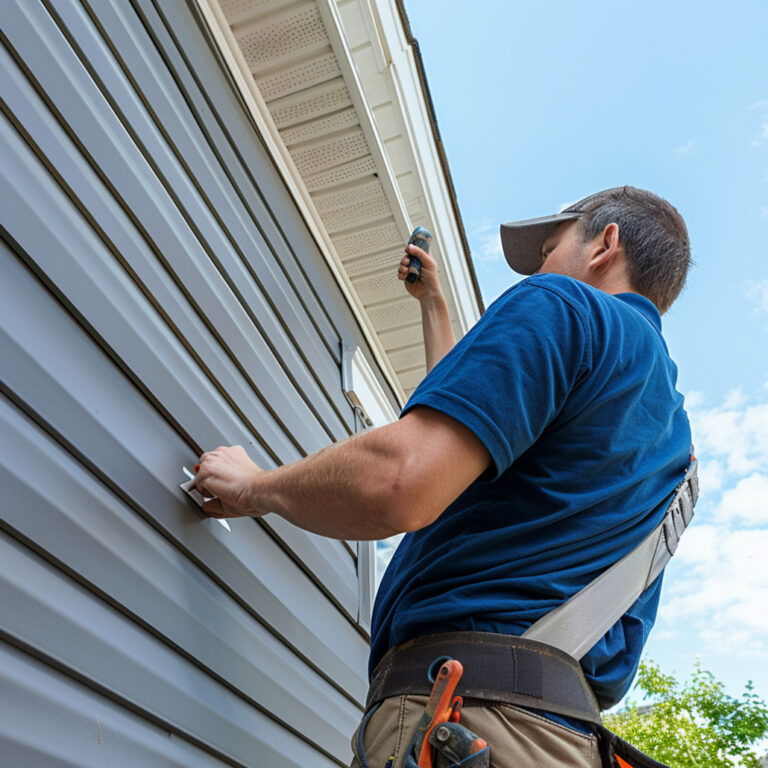
Vinyl siding is a popular choice for homeowners due to its affordability, versatility, and low maintenance requirements. This type of siding is made from PVC (polyvinyl chloride) resin, making it durable and resistant to rot, moisture, and insect damage.
When compared to other siding materials such as wood, aluminum, or fiber cement, vinyl siding is known for its long-lasting durability. It does not rot, warp, or corrode like wood or aluminum, and it does not require repainting like fiber cement.
Vinyl siding can withstand extreme weather conditions and is resistant to fading, making it a reliable choice for homeowners looking for a low-maintenance option.
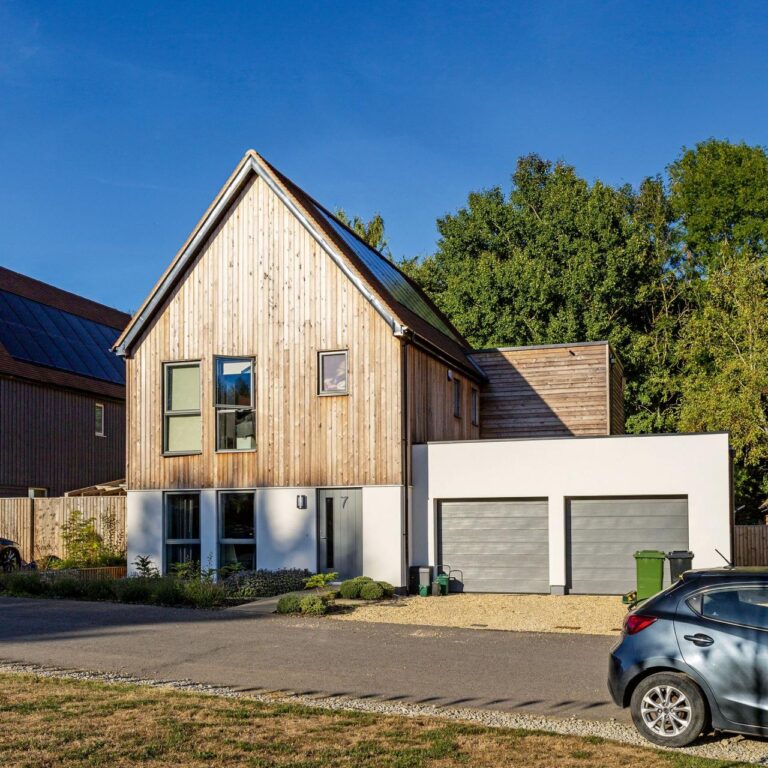
Wood siding is a popular choice for homeowners looking for a natural and traditional aesthetic for their homes. It is known for its timeless appeal and versatility in design options.
Wood siding offers a unique and warm appearance that cannot be replicated by other materials. It can be easily customized through various finishes and paint colors to suit different architectural styles. Additionally, wood siding is durable and can last for decades with proper maintenance.
When compared to alternative siding materials such as vinyl or fiber cement, wood siding tends to be more expensive upfront. However, the long-term cost of wood siding can be lower due to its durability and repairability. It is important to consider the overall lifecycle cost when evaluating the cost of wood siding.
Using wood siding can have both positive and negative environmental impacts. On one hand, wood is a renewable resource and can be sustainably sourced. However, the production and treatment of wood siding can contribute to deforestation and chemical pollution if not done responsibly.
It is essential to choose wood siding from certified sustainable sources to minimize the environmental impact.
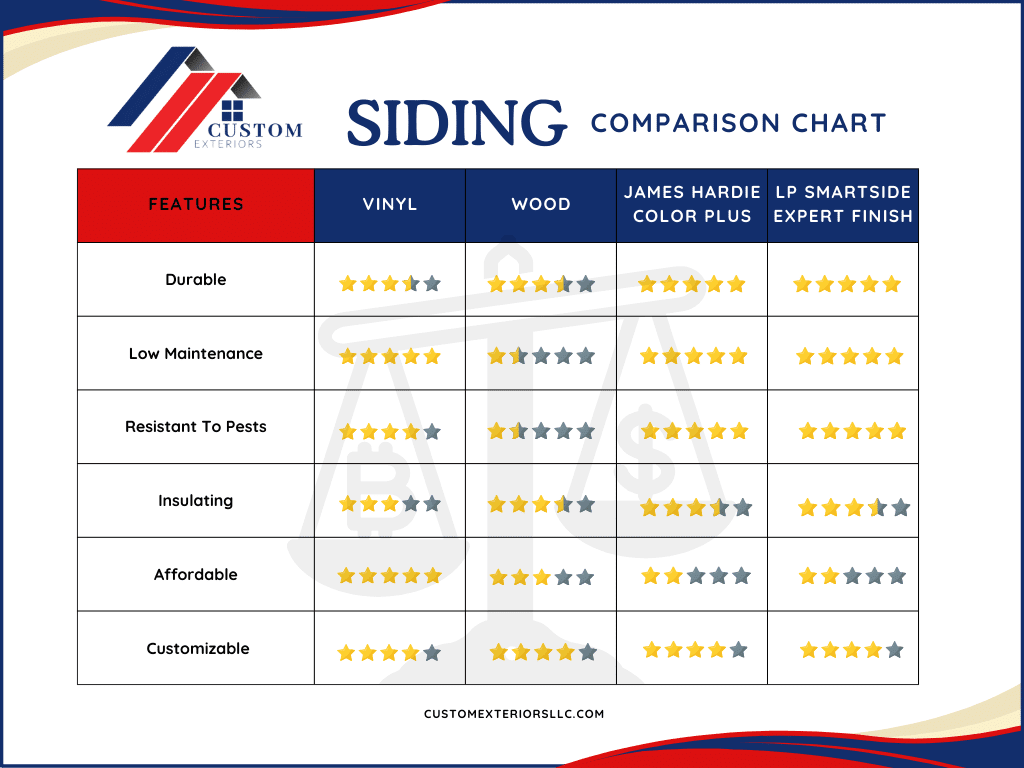
Fiber cement siding is a popular choice for homeowners looking for a durable and low-maintenance option for their homes. Made from a mixture of cement, sand, and cellulose fibers, this type of siding offers a wide range of benefits.
Fiber cement siding is known for its durability and resistance to harsh weather conditions, including wind, rain, and extreme temperatures. It is also fire-resistant, making it a safe option for homes in areas prone to wildfires. Additionally, fiber cement siding is resistant to pests such as termites, which can cause damage to other types of siding materials.
The installation process for fiber cement siding can be more labor-intensive compared to other materials, such as vinyl siding. This is due to the weight of the material and the need for specialized tools to cut and install it properly.
However, with the right expertise, fiber cement siding can provide a seamless and durable finish for your home.
Fiber cement siding is known for its longevity, with many manufacturers offering warranties ranging from 25 to 50 years. Proper maintenance, such as regular cleaning and painting, can help extend the lifespan of fiber cement siding even further. This makes it a cost-effective option for homeowners looking for a durable and long-lasting siding material.
Metal siding is a popular choice for homeowners due to its durability, low maintenance, and modern aesthetic. It is typically made from aluminum, steel, or copper, offering a sleek and contemporary look to any home exterior.
Metal siding is known for its high energy efficiency, as it reflects heat away from the home during hot summer months, reducing cooling costs. Additionally, metal siding can be insulated to further improve energy efficiency, making it a smart choice for environmentally conscious homeowners.
One of the key advantages of metal siding is its design versatility. It comes in a wide range of colors, finishes, and styles, allowing homeowners to achieve a custom look that suits their preferences. Whether you prefer a modern, industrial aesthetic or a more traditional appearance, metal siding can be tailored to fit your vision.
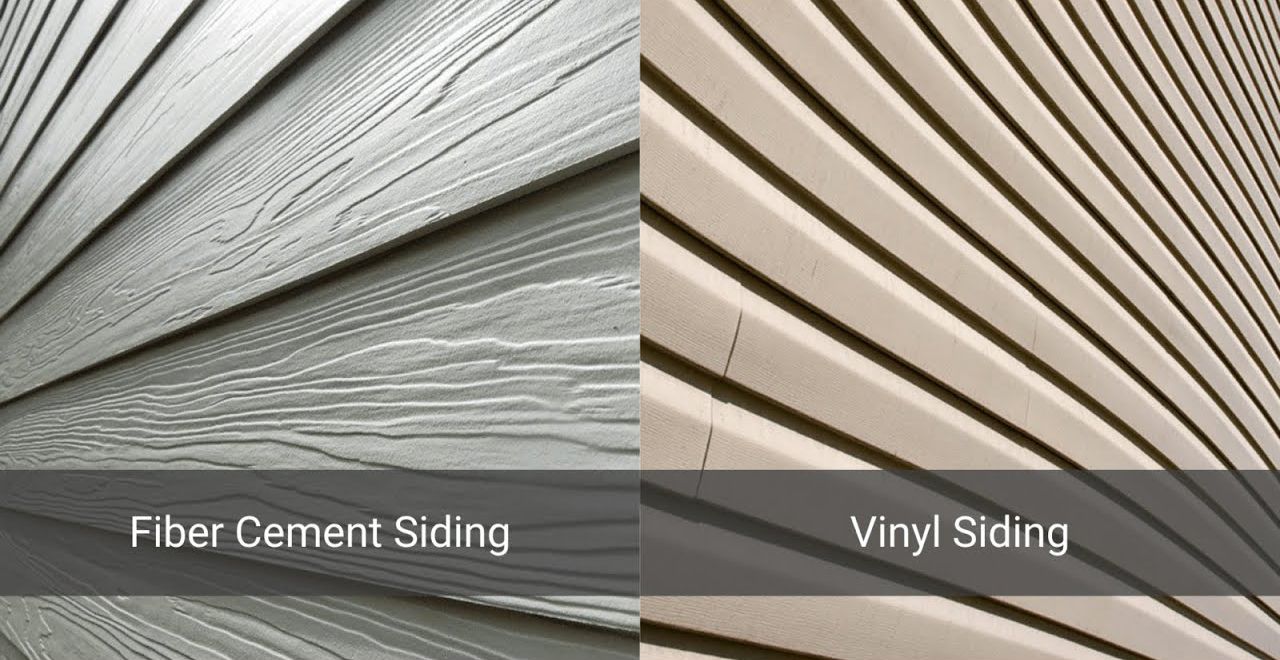
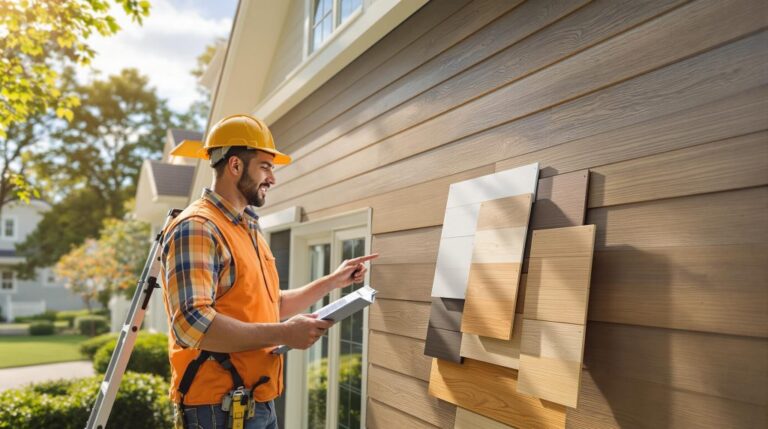
When choosing the right siding for your home, it’s crucial to consider various factors such as cost, durability, maintenance, environmental impact, and design options. To help you make an informed decision, let’s compare key features of vinyl, wood, fiber cement, and metal siding.
What are the key factors to consider when choosing siding products?
When choosing siding products, consider factors such as durability, maintenance requirements, cost, environmental impact, and design options to ensure the best fit for your building.
Is vinyl siding more durable than wood siding?
Vinyl siding is generally considered more durable than wood siding as it is resistant to rot, insects, and moisture, requiring less maintenance over time.
What is the typical lifespan of fiber cement siding?
Fiber cement siding is known for its longevity, with an average lifespan of 50 years or more when properly installed and maintained, making it a durable choice for buildings.